8 Natural Ways to Balance Blood Sugar in Just 14 Days – Without Medication
14-Day Guide to Naturally Balancing Blood Sugar — No Medication Needed
High blood sugar, also known as hyperglycemia, has become one of the most common health challenges of our time. Sedentary lifestyles, irregular eating habits, processed food, and chronic stress all contribute to blood sugar imbalances that, if left unchecked, can lead to type 2 diabetes, heart disease, nerve damage, kidney failure, and vision problems.
The good news? Your body is incredibly adaptive — and with just a few lifestyle adjustments, you can bring your blood sugar levels back into balance naturally. In fact, many people begin to see improvements within two weeks of consistent effort.
This guide will walk you through 8 evidence-based strategies to regulate blood sugar in just 14 days — no pills, no crash diets, no extreme measures.

Understanding Blood Sugar — and Why It Spikes
Before jumping into the plan, let’s quickly cover the science. Blood sugar refers to the level of glucose circulating in your blood. Glucose is your body’s primary energy source, and it mainly comes from the carbohydrates you eat.
When you consume carbs — bread, pasta, rice, sweets — your body breaks them down into glucose, which then enters your bloodstream. Your pancreas responds by releasing insulin, a hormone that helps move glucose into your cells to be used as fuel.
Problems arise when you eat too many refined carbs or sugar too frequently. Your body is constantly pumping insulin to deal with the excess glucose, which can lead to insulin resistance — where your cells stop responding properly to insulin. This causes blood sugar levels to stay elevated for too long, damaging tissues and organs over time.
Why Lifestyle Beats Medication in the Long Run
Medications like metformin and insulin injections can certainly help manage diabetes and high blood sugar. However, they don’t address the root cause — which is often a combination of poor diet, low activity levels, and stress.
Lifestyle changes work because they retrain your body to process glucose more efficiently. By reducing sugar intake, choosing better carbs, moving more, and eating in the right order, you can:
- Lower fasting blood sugar naturally
- Reduce post-meal spikes
- Improve insulin sensitivity
- Prevent long-term complications like nerve and kidney damage
Even if you are on medication, these habits can reduce your dependence on drugs and support overall metabolic health.
The 14-Day Blood Sugar Reset Plan
Follow these eight steps consistently for two weeks, and you may notice steadier energy, fewer cravings, and more stable blood sugar readings.
1. Cut Out Sugar and Refined Carbohydrates
This is the single most impactful step. Refined carbs — white bread, white rice, pasta, pastries, soda — are rapidly converted into glucose, causing sharp spikes and crashes in blood sugar.
What to do:
- Eliminate table sugar, candy, soft drinks, and sweetened coffee drinks
- Swap white rice for brown rice, quinoa, or cauliflower rice
- Replace white bread with whole-grain or low-carb bread
- Limit desserts to special occasions
Science says: A landmark 2005 study, “Feasibility of Low-Carbohydrate Diets in Diabetes Management,” showed that cutting carbs can significantly reduce blood sugar levels, help with weight loss, and lower insulin dependence.
2. Add Cinnamon to Your Daily Routine
Cinnamon contains bioactive compounds that improve insulin sensitivity and slow the breakdown of carbohydrates in the digestive tract.
How to use it:
- Add ½ teaspoon to your morning tea, coffee, or smoothie
- Sprinkle it over oatmeal, yogurt, or fruit
Evidence: A 2019 meta-analysis found that cinnamon supplementation (1–6g/day) lowered fasting blood glucose by up to 29% and improved HbA1c (a long-term measure of blood sugar control) in type 2 diabetes patients.
3. Start Meals With a Fiber-Rich Salad
Eating vegetables first is a simple hack that reduces blood sugar spikes. The fiber forms a “mesh” in your digestive tract, slowing down the absorption of carbs from the rest of your meal.
Practical tip:
- Have a bowl of mixed greens, cucumber, and tomato with lemon and olive oil before lunch or dinner
- Aim for at least 5–7 grams of fiber per meal
A 2023 study confirmed that eating salad before rice lowered post-meal blood glucose significantly compared to eating rice first.
4. Choose Complex Carbohydrates
If you can’t eliminate carbs completely, choose complex carbs. They are digested slowly, giving your body time to process glucose gradually.
Best choices:
- Whole grains: oats, quinoa, buckwheat
- Legumes: chickpeas, lentils, black beans
- Non-starchy vegetables: broccoli, spinach, bell peppers
Complex carbs are also rich in micronutrients and improve satiety, helping you avoid overeating.
5. Drink Bitter Gourd Juice
Bitter gourd (or bitter melon) is a traditional remedy for blood sugar control. It contains charantin, a compound that mimics insulin’s effect and helps transport glucose into cells.
Routine:
- Drink a small glass of fresh bitter gourd juice 2–3 times a week
- If the taste is too strong, mix with lemon juice or cucumber
A 2017 clinical trial found significant reductions in blood glucose within 90 minutes of consumption in type 2 diabetes patients.
6. Walk for 20 Minutes After Meals
One of the easiest and most effective blood sugar hacks: post-meal walking.
When you walk, your muscles use glucose from the bloodstream for energy — reducing the spike that normally occurs after eating.
Plan:
- Walk at a moderate pace for 15–20 minutes after each meal
- If indoors, try light stretching or climbing stairs
Research published in Nutrients (2022) showed that a 30-minute post-meal walk reduced blood sugar peaks by up to 30% compared to sitting still.
7. Replace Sugar With Natural Sweeteners
Artificial sweeteners can confuse your metabolism, while refined sugar causes inflammation.
Better alternatives:
- Stevia – zero-calorie, plant-based
- Monk fruit extract – natural and non-glycemic
- Raw honey (in moderation)
This swap alone can significantly reduce your daily glycemic load and prevent dangerous sugar spikes.
8. Eat Smaller, More Frequent Meals
Instead of three large meals, try 4–5 small, balanced meals. This keeps your glucose levels steady and prevents the “rollercoaster effect” of high spikes followed by sharp crashes.
How to do it:
- Space meals 3–4 hours apart
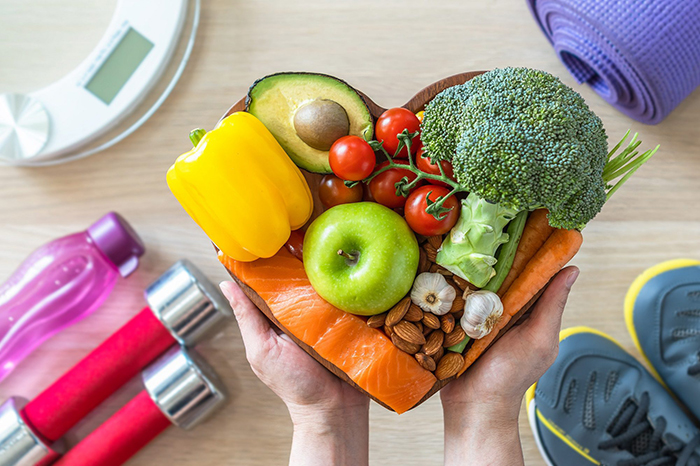
- Each meal should include protein (eggs, fish, tofu), healthy fat (nuts, olive oil), and complex carbs (vegetables, legumes)
This approach also reduces hunger cravings and stabilizes energy throughout the day.
Additional Tips to Maximize Results
- Stay Hydrated: Drink plenty of water to support kidney function and help flush excess glucose.
- Prioritize Sleep: Poor sleep raises cortisol (the stress hormone), which drives blood sugar higher. Aim for 7–8 hours per night.
- Manage Stress: Meditation, deep breathing, and yoga lower stress hormones that interfere with glucose regulation.
What to Expect After 14 Days
By the end of two weeks, many people notice:
- More stable energy levels
- Fewer sugar cravings
- Better mood and focus
- Lower fasting blood glucose readings
- Less bloating and digestive discomfort
For lasting results, continue these habits for at least 12 weeks — as recommended by Dr. Rai — to see significant long-term improvements in metabolic health.
Final Thoughts
Balancing blood sugar naturally isn’t about extreme diets or overnight fixes — it’s about consistent, sustainable habits. By combining these eight proven strategies — reducing sugar, eating fiber first, adding cinnamon, choosing complex carbs, drinking bitter gourd juice, walking after meals, using natural sweeteners, and eating smaller portions — you can dramatically improve your blood sugar levels in just 14 days.
Your future health depends on the small choices you make every day. Start today, stay consistent, and watch your body regain its natural balance.