A Natural Compound That Boosts Hair Loss Treatment Results — Scientists Reveal the Secret Ingredient
Researchers from China and Australia have discovered that a natural sweetener extracted from the stevia plant could significantly enhance the effectiveness of one of the most common treatments for hair loss — minoxidil.
According to a new study published in the journal Advanced Healthcare Materials and reported by ScienceAlert, adding stevioside, a compound derived from Stevia rebaudiana, to traditional minoxidil treatments could double the results when delivered through microneedle patches.
Minoxidil: A Popular Yet Limited Hair Loss Treatment
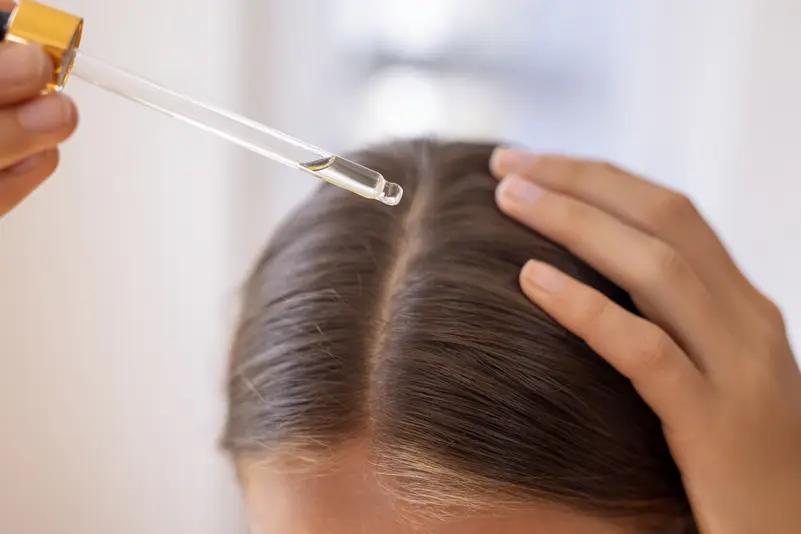
Minoxidil is a well-known topical medication used to stimulate blood flow to the hair follicles, promoting new hair growth in cases of androgenetic alopecia (AGA) — commonly known as male and female pattern baldness.

However, one of the biggest challenges with minoxidil is low absorption. Only a small fraction of the drug penetrates the scalp deeply enough to reach the roots, limiting its full potential.
How Stevioside Enhances Hair Regrowth
In this new research, scientists developed a system that combines microneedle delivery with stevioside, which improves the solubility of minoxidil in water and increases its absorption through the skin.
Tests conducted on genetically modified mice that were designed to develop baldness showed remarkable results. The mice that received stevioside-enhanced minoxidil via microneedle patches experienced faster and denser hair regrowth compared to those treated with standard minoxidil solutions.
The research team observed that hair follicles entered the growth phase much more rapidly, achieving 67.5% coverage of the treated area within just 35 days, compared to only 25.7% with traditional minoxidil.
Moreover, hair began regrowing almost a week earlier in the group treated with stevioside-enhanced patches.
Encouraging Results — But Still Early
While the findings are promising, scientists emphasize that the research is still in the preclinical stage and has only been tested on animals so far. More studies are needed before moving to human clinical trials to confirm long-term safety and effectiveness.
The team also noted the need to optimize the design of microneedles and the controlled drug-release systems to adapt to various clinical needs.
“Using stevioside to enhance minoxidil absorption represents a promising step toward more natural and effective hair loss treatments,” said Dr. Lifeng Kang, a pharmacology professor at the University of Sydney and one of the study’s authors. “This approach could benefit millions worldwide struggling with pattern baldness.”
A Glimpse into the Future of Hair Loss Therapy
Currently, traditional minoxidil requires daily application to maintain results. However, the new microneedle patch system could extend the drug’s effectiveness, reducing the need for constant use and improving convenience.
If future human trials confirm these findings, this could mark a breakthrough in hair restoration — combining nature-derived ingredients with advanced biomedical technology to make treatments more potent, sustainable, and user-friendly.