From Green to Brown: Is It Safe to Eat Avocado After It Changes Color?
From Green to Brown: Is It Safe to Eat Avocado After It Changes Color?
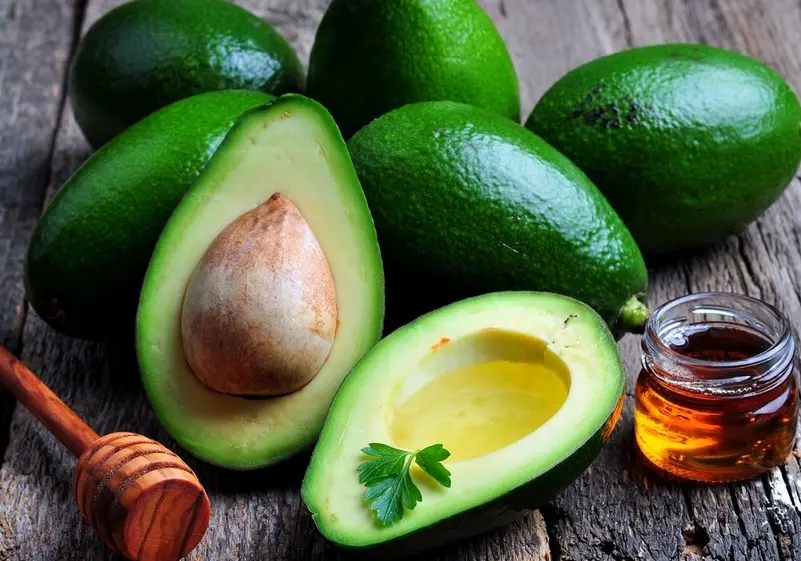
Avocados are beloved around the world for their creamy texture, unique flavor, and exceptional nutritional benefits. However, anyone who regularly enjoys this fruit knows the frustration of watching a perfectly green avocado turn brown shortly after being sliced. This rapid color change often raises an important question: is it still safe to eat?
Let’s take a closer look at what actually causes avocados to turn brown, when it’s safe to eat them, and how you can keep your avocados fresh for longer.
Why Does an Avocado Turn Brown?
The first thing to understand is why avocados change color so quickly. When you slice an avocado, you expose its inner flesh to oxygen in the air. This exposure triggers a natural chemical reaction called oxidation, which is the same process that causes apples and bananas to brown after cutting.
According to Health.com, oxidation doesn’t make the avocado unsafe — it’s a natural reaction that slightly changes the color and taste. The fruit might become a little bitter, but it’s still safe to eat as long as there are no signs of spoilage.
However, not all brown avocados are equal. In some cases, the browning may indicate spoilage or bacterial growth, which can make the fruit unsafe to consume.
Understanding the Science: Enzymatic Browning
Avocados — like many fruits and vegetables — contain enzymes and chemical compounds that are stored in separate compartments within the cells. When the fruit is damaged (for example, when it’s cut open, bruised, or becomes overly ripe), these compartments break down, and the compounds mix together in the presence of oxygen.
This reaction produces melanin, the same natural pigment that gives color to human skin and hair. The result? The avocado’s flesh turns brown.
This process, known as enzymatic browning, not only changes the appearance of the fruit but can also slightly reduce its nutritional content and alter its flavor and texture.
When Is Browning Harmless and When Is It Dangerous?
While most browning is harmless, it’s essential to distinguish between safe oxidation and actual spoilage.
Here’s how to tell the difference:
✅ Safe to Eat (Oxidation Only):
- The avocado has just turned brown on the surface but still smells fresh.
- The texture is creamy and not excessively mushy.
- There are no black or gray spots deep inside the flesh.
- The taste is slightly bitter but not sour.
In this case, you can safely eat the avocado. You may also scrape off the top brown layer if you prefer the green part underneath.
❌ Unsafe to Eat (Spoilage or Rot):
- The avocado emits a sour, rancid, or strange odor.
- The texture is slimy, overly mushy, or watery.
- There are dark brown or black streaks extending deep inside the flesh.
- You notice mold, either on the skin or inside.
If any of these signs are present, discard the avocado immediately. Spoiled avocados can contain harmful bacteria and molds that could lead to foodborne illness.
Over-Ripeness and Bacterial Growth
Sometimes browning happens because the avocado is overripe rather than simply oxidized. When an avocado becomes too ripe, its cell walls begin to break down, releasing enzymes and sugars that promote oxidation and microbial growth.
An overripe avocado may still be safe to eat if it smells fine, but it will usually have a mushy texture and a bitter taste. However, once bacterial growth begins, the fruit quickly becomes unsafe.
If the inside looks patchy with dark streaks or black spots, or smells sour, the safest choice is to throw it away.
The Role of Temperature: Cold Damage and Storage Mistakes
Temperature plays a major role in avocado quality. Avocados are tropical fruits and do not tolerate extreme cold well. When stored at too low temperatures before ripening, they can develop cold damage, which appears as gray or brown streaks inside the flesh.
Cold-damaged avocados are safe to eat, but they often have an unpleasant taste and grainy texture.
To avoid this, never store unripe avocados in the refrigerator. Let them ripen naturally at room temperature first. Once they are ripe, you can refrigerate them to extend their shelf life for a few days.
Mold and Microbial Growth
Avocados contain a high level of moisture, which makes them susceptible to mold. Mold can appear as fuzzy white, gray, or black spots, sometimes visible only on the skin but potentially spreading inside.
If you see mold anywhere on an avocado, do not try to cut it away and eat the rest. Even if the mold is just on the outer peel, microscopic mold spores can penetrate deeper into the flesh. Dispose of the entire fruit to stay safe.
How to Handle and Store Brown Avocados
If your avocado has turned slightly brown due to oxidation but is still safe to eat, there are a few ways to handle and store it properly:
1. Check Smell and Texture First
Before eating, do a simple smell and touch test. If it smells neutral and feels creamy, it’s fine. If it smells sour, musty, or “off,” don’t take the risk.
2. Use the Brown Avocado Creatively
If you don’t mind a slight color change, you can still enjoy the avocado in various recipes:
- Mash it into guacamole with lemon or lime juice.
- Blend it into smoothies for a creamy texture.
- Use it in desserts like chocolate avocado mousse.
- Spread it on toast or mix it into salads.
The added ingredients (like lemon juice, herbs, or yogurt) often mask the mild bitterness from oxidation.
3. Store Properly to Slow Browning
If you want to save the other half of a cut avocado, store it correctly to prevent further oxidation:
- Brush the surface with lemon or lime juice — the citric acid slows down browning.
- Wrap it tightly in plastic wrap or store it in an airtight container.
- Keep the pit (seed) in the half you’re storing — it helps preserve freshness.
- Store in the refrigerator if you’re not eating it within a few hours.
4. Add Oil or Lemon for Short-Term Storage
If your avocado is already brown but still fresh, place it in a small bowl with a drizzle of olive oil or lemon juice, then seal it in an airtight container. This creates a barrier against oxygen and extends freshness by one or two days.
How to Prevent Avocados from Turning Brown
While you can’t completely stop oxidation, you can slow it down significantly with these simple tricks:
- Keep the pit in: When storing half an avocado, leave the pit in place to minimize exposed surface area.
- Use citrus: Lemon, lime, or vinegar reduces browning thanks to their acidity.
- Limit air exposure: Press plastic wrap directly onto the cut surface.
- Refrigerate after cutting: Cooler temperatures slow the enzymatic reaction that causes browning.
Nutritional Impact of Browning
Oxidation does slightly reduce some nutrients, particularly vitamin C, which is sensitive to air and light. However, the loss is minimal — a browned avocado remains a great source of healthy fats, fiber, potassium, and antioxidants.
The mild bitterness or darker color doesn’t mean the avocado has lost its health benefits. It’s still an excellent addition to a balanced diet, as long as it’s not spoiled.
Bottom Line
A brown avocado doesn’t always mean a bad avocado. In most cases, the color change is simply the result of a natural chemical reaction with oxygen — safe, though slightly less appetizing.
However, if you notice a foul smell, mold, or mushy texture, it’s best to throw it away. When in doubt, trust your senses — your nose and eyes are the best indicators of food safety.
To keep your avocados fresher for longer, store them properly, use lemon or lime juice to slow oxidation, and enjoy them in creative recipes before they turn too ripe.