As Winter Approaches: 5 Powerful Foods to Strengthen Your Immune System
As the cold season draws near and cases of colds and flu begin to rise, many people instinctively turn to vitamin C tablets or soothing drinks made with ginger, honey, and lemon. While these remedies can help, nutrition and immunity experts emphasize that building a strong immune system requires more than one nutrient or supplement — it depends on overall diet diversity and a healthy lifestyle.
According to British immunologist Dr. Jenna Macciochi, nearly 70% of the immune system’s strength begins in the gut, meaning that what you eat plays a fundamental role in protecting your body from infections. “Vitamins A, C, and D, along with minerals like zinc, iron, magnesium, and selenium, work together to keep the immune system functioning properly,” she explains. “No single nutrient can do the job alone.”
A recent report from the Daily Mail highlighted five key foods recommended by experts to naturally boost immunity and reduce your risk of illness this winter.
🥤 1. Orange Juice – A Natural Boost of Vitamin C
While vitamin C may not prevent you from catching a cold, numerous studies show that it can shorten the duration and reduce the severity of cold symptoms.
Nutritionist Dr. Carrie Ruxton notes that “just one glass of pure orange juice provides more than 80% of your daily requirement of vitamin C.”
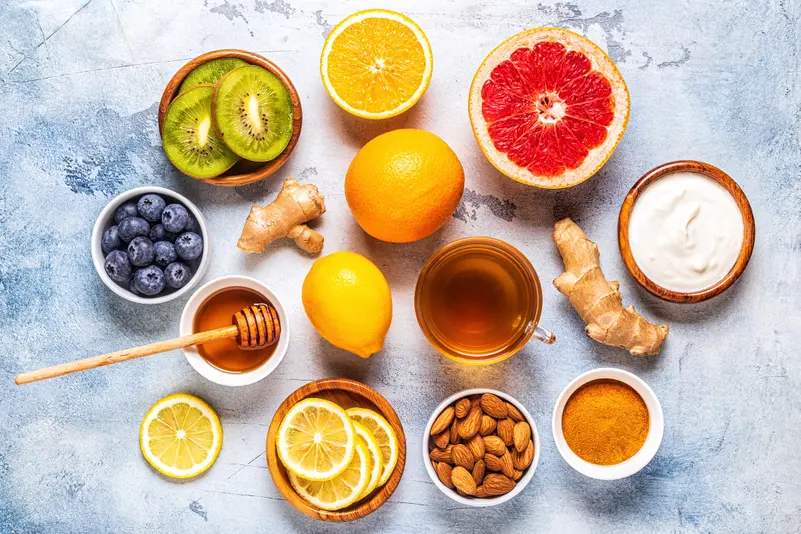
Research suggests adults should aim for around 200 mg of vitamin C daily, but most people consume less than half of that amount. To meet your needs, include a variety of vitamin C-rich foods such as:
- Kiwi
- Red bell peppers
- Grapefruit
- Berries
- Leafy green vegetables
In addition to supporting your immune defenses, vitamin C also plays a role in collagen production and antioxidant protection, helping the body recover faster from infections and inflammation.
🥣 2. Yogurt and Fermented Foods – Feed Your Gut, Feed Your Immunity
Your gut is home to trillions of beneficial bacteria, collectively known as the gut microbiome. These microorganisms communicate directly with the immune system, training it to identify and fight harmful pathogens.
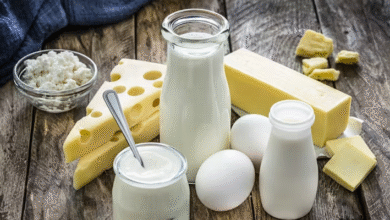
Fermented foods like yogurt, cheese, kefir, and the traditional Korean dish kimchi have been found to increase the diversity of good bacteria in the gut, leading to stronger immune responses.
In a study conducted at Stanford University, participants who consumed fermented foods daily for 10 weeks showed reduced inflammation and improved immune function compared to those who didn’t.
Dr. Macciochi adds, “Even a single serving of yogurt each day can make a measurable difference in maintaining a healthy balance of gut microbes and boosting immune resilience.”
If you’re not a fan of yogurt, try adding other probiotic foods such as sauerkraut, kombucha, or miso to your meals — all of which contribute to a stronger digestive and immune system.
🐟 3. Fatty Fish – The Sunshine Vitamin for Immune Defense
During winter, many people spend less time outdoors, leading to lower levels of vitamin D, an essential nutrient for immune health. Vitamin D helps regulate the activity of T cells — the “soldiers” of your immune system — and enhances the production of antimicrobial proteins that fight bacteria and viruses.
Professor Daniel Davis from Imperial College London explains, “Vitamin D plays a critical role in activating the body’s immune defenses, especially against respiratory infections.”
Since sunlight exposure is limited in colder months, food sources of vitamin D become even more important. Experts recommend eating fatty fish like:
- Salmon
- Mackerel
- Sardines
- Tuna
These fish are also rich in omega-3 fatty acids, which have anti-inflammatory properties and support heart and brain health.
Because about one in three people in the UK and Europe experience vitamin D deficiency in winter, doctors often recommend taking a daily vitamin D supplement between October and March to maintain healthy levels.
🦪 4. Oysters – A Powerful Source of Zinc
Oysters might not be a regular part of your diet, but they are one of the richest natural sources of zinc — a mineral crucial for immune function, wound healing, and cell repair.
Just 100 grams of raw oysters contain around 16 mg of zinc, nearly the entire recommended daily intake for adults.
Zinc supports the production and activation of immune cells that help fight off infections and viruses. Even a mild deficiency can make the body more vulnerable to colds, flu, and slow recovery from illness.
If oysters aren’t your favorite food, other excellent sources of zinc include:
- Seafood such as shrimp and crab
- Lean red meat
- Beans and lentils
- Nuts and seeds (especially pumpkin seeds)
Maintaining adequate zinc levels throughout the winter can make a noticeable difference in how often and how severely you get sick.
🥩 5. Lean Red Meat – Iron and B Vitamins for Strength
Contrary to popular belief, lean red meat — when eaten in moderation — is not harmful. In fact, it’s a nutrient-dense food packed with high-quality protein, iron, zinc, and B vitamins, all essential for a strong immune response.
Iron, in particular, is necessary for transporting oxygen throughout the body and supporting the production of white blood cells. Studies indicate that 1 in 10 women suffer from iron deficiency, which can cause fatigue, poor concentration, and weakened immunity.
If you prefer plant-based options, you can also obtain iron from foods like:
- Beans and lentils
- Chickpeas
- Dried fruits (especially apricots and raisins)
- Spinach and kale
- Nuts and seeds
To improve iron absorption, pair these foods with vitamin C-rich ingredients — for example, adding lemon juice to lentil soup or eating a fruit salad with citrus after a meal.
💡 Expert Advice: Immunity Is a Lifestyle, Not a Supplement
While eating nutrient-rich foods is vital for maintaining a strong immune system, experts warn that diet alone isn’t enough.
Dr. Macciochi emphasizes that stress, lack of sleep, and inactivity can weaken the immune system even if your diet is perfect. “Your immune health depends on your entire lifestyle — from getting enough sleep to managing stress and staying active every day,” she says.
Here are some additional tips to keep your immune system in top shape this winter:
- Sleep at least 7–8 hours per night to allow your body to recover and regulate immune functions.
- Exercise regularly, even if it’s just walking or light stretching, to stimulate circulation and immune response.
- Stay hydrated, as dehydration can reduce the efficiency of your body’s defenses.
- Manage stress through relaxation techniques like deep breathing, meditation, or spending time outdoors.
🌿 The Bottom Line
With winter just around the corner, keeping your immune system strong should be a top priority. Rather than relying solely on supplements, focus on a balanced diet filled with colorful fruits, vegetables, lean proteins, and fermented foods.
Nutrients like vitamin C, D, zinc, and iron, along with a healthy gut microbiome, work in harmony to help your body fight off seasonal infections naturally. Combine good nutrition with proper rest and stress management, and you’ll give your immune system everything it needs to thrive all winter long.