Top 10 Foods to Relieve Gas and Bloating — Pineapple Among Them
Top 10 Foods to Relieve Gas and Bloating — Pineapple Among Them
Bloating, characterized by excess air or gas trapped in the digestive system, is a common problem affecting millions of adults worldwide. Fortunately, simple dietary changes can help alleviate this discomfort and support healthy digestion.
According to Dr. Surab Sethi, a gastroenterologist trained at Harvard University, incorporating certain foods into your diet can effectively reduce bloating and gas.
What Causes Bloating?
Bloating occurs when air or gas accumulates in the digestive tract, or when the intestinal muscles cannot move food efficiently. Several factors contribute to this condition:
- Eating too quickly or swallowing air
- Consuming gas-producing foods such as beans, onions, or carbonated drinks
- Food intolerances (e.g., lactose or gluten sensitivity)
- Hormonal changes, especially in women
While bloating can be uncomfortable, it is often preventable or manageable through mindful eating habits and the right foods.
10 Foods That Help Relieve Bloating
These ten foods contain enzymes and fibers that aid digestion, reduce gas, and soothe the digestive system:
1. Kiwi
Kiwi is rich in dietary fiber and contains actinidin, an enzyme that helps digest protein. A study published in Nutritional Science found that eating two kiwis daily improved bowel movements in people with mild constipation. Adding kiwi to your breakfast or fruit salad can support digestion and reduce bloating.
2. Papaya
Papaya contains papain, a digestive enzyme that breaks down proteins and supports digestion. Clinical studies suggest that consuming a small portion of fresh papaya after a protein-rich meal can reduce bloating and gas formation.
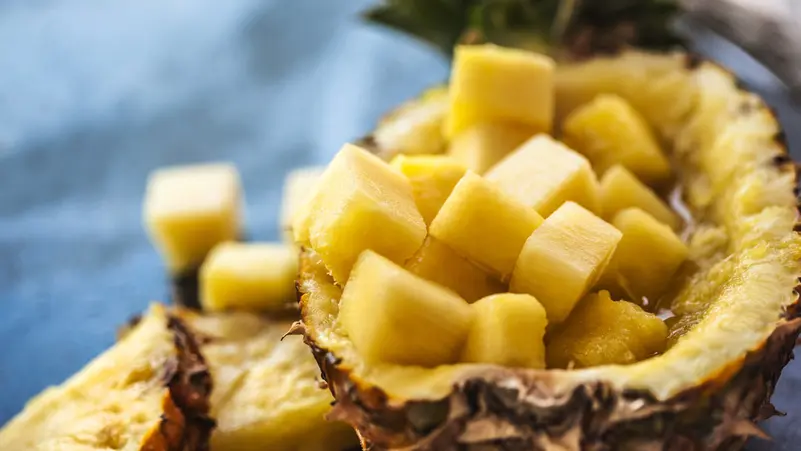
3. Pineapple
Pineapple is a natural source of bromelain, a group of enzymes that aid protein digestion. Eating a small serving of fresh pineapple after a heavy meal or adding it to salads can help improve digestion and may reduce inflammation, according to WebMD.
4. Cucumber
Cucumber is high in water and contains fiber, which can help flush out excess sodium, a common contributor to water retention and bloating. Its hydrating properties also support smooth digestive function.
5. Chia Seeds
Chia seeds are packed with soluble fiber. When soaked in water, they form a gel-like consistency that helps soften stool and regulate bowel movements. However, people with certain conditions such as kidney disease or low blood pressure should consult a doctor before consuming chia seeds regularly.
6. Quinoa
Quinoa is a whole grain containing prebiotic fibers that feed beneficial gut bacteria. A study published in PubMed Central found that bioactive compounds in quinoa support healthy gut microbiota, which can help prevent bloating and promote overall digestive health.
7. Oats
Oats are rich in beta-glucans, soluble fibers known to regulate insulin metabolism and improve gut health. According to research in PubMed Central, incorporating oats into the diet can also help lower blood cholesterol and blood pressure while maintaining regular digestion.
8. Ginger
Ginger has been used as a digestive aid for centuries. Scientific studies show that ginger relieves digestive discomfort and supports smooth digestion, helping to reduce bloating and gas. It can be consumed fresh, in tea, or as a powder added to meals.
9. Peppermint (Tea or Oil)
Peppermint contains compounds that relax smooth muscles in the intestines, reducing cramps and trapped gas. Multiple clinical trials confirm its benefits in relieving abdominal pain and bloating, especially in people with irritable bowel syndrome (IBS). Peppermint can be consumed as a tea or in enteric-coated capsules of peppermint oil after consulting a healthcare professional.
10. Fennel Seeds
Fennel seeds have a long tradition of easing gas and bloating. Studies suggest that fennel oil can reduce IBS-related symptoms, including gas and abdominal discomfort. Seeds can be chewed after meals or brewed into fennel tea for digestive relief.
Practical Tips to Prevent Bloating
In addition to consuming the right foods, consider these strategies to minimize gas and bloating:
- Eat slowly and chew food thoroughly
- Avoid carbonated drinks or excessive gum chewing
- Limit high-gas foods if you are sensitive to them
- Drink enough water throughout the day to aid digestion
- Exercise regularly to stimulate intestinal motility
Conclusion
Bloating and gas can be uncomfortable, but simple dietary adjustments can make a noticeable difference. Incorporating foods like kiwi, papaya, pineapple, cucumber, chia seeds, quinoa, oats, ginger, peppermint, and fennel into your diet can help support healthy digestion, relieve bloating, and enhance overall gut health.
By understanding the causes of bloating and adopting mindful eating habits along with these foods, you can keep your digestive system running smoothly and enjoy meals without discomfort.