Why Vitamin D Deficiency Affects Women More Than Men?
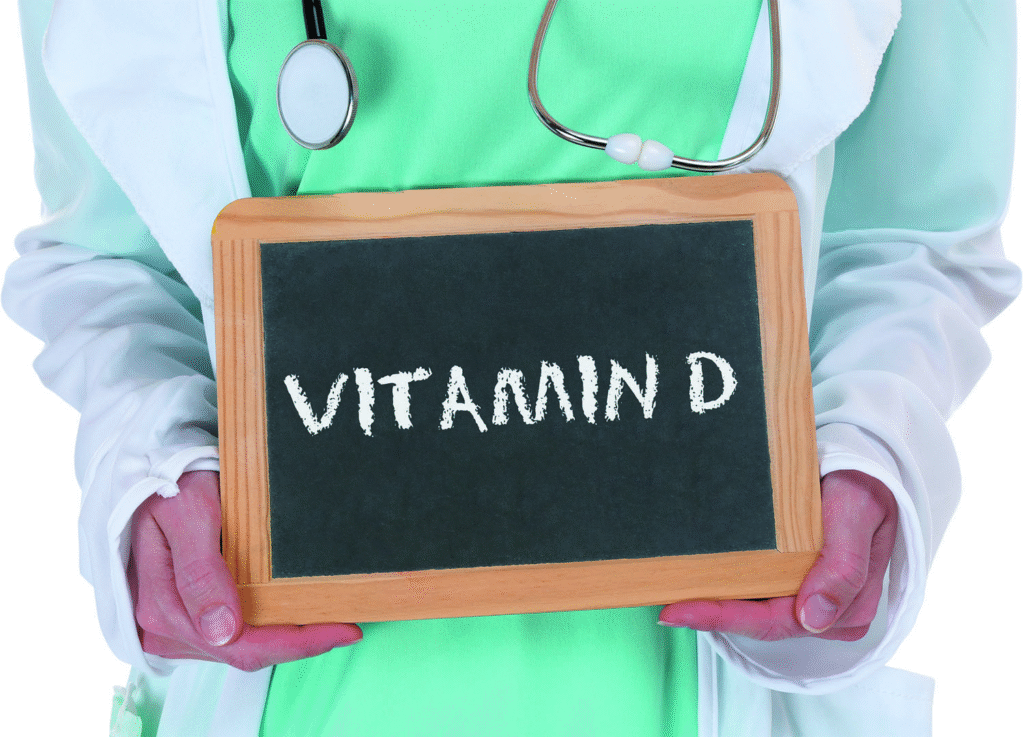
Why Vitamin D Deficiency Affects Women More Than Men — New Study Explains
Vitamin D — often called the “sunshine vitamin” — is essential for strong bones, balanced hormones, energy, immunity, and even mood regulation. Yet, despite its importance, women are significantly more likely to suffer from vitamin D deficiency than men.
A recent study from India reveals that a combination of biological differences, hormonal shifts, pregnancy, and lifestyle factors make women more vulnerable to low vitamin D levels. And the consequences are far more serious than just fatigue — deficiency can weaken bones, lower immunity, and negatively affect mental wellbeing.
So why does vitamin D deficiency hit women harder? Here’s what the research found 👇

✅ 1️⃣ Women Store Vitamin D Differently Than Men
Women naturally have a higher percentage of body fat than men — not because of weight or appearance, but due to biological function.
Vitamin D is fat-soluble, meaning the body stores it inside fat tissues instead of keeping it active in the bloodstream. So even when women:
- Spend time in the sun
- Eat vitamin D–rich foods
- Take supplements
…a large portion of the vitamin can remain “trapped” in fat stores and not used efficiently by the body.
Men, with lower body fat, generally:
✔ absorb vitamin D more efficiently
✔ circulate and use it more effectively
This means women need higher intake — through diet, supplements, or sunlight — just to reach the same blood levels.
Result: Persistent deficiency → weakness, bone problems, immune issues, and chronic fatigue — often going unnoticed until symptoms worsen.
✅ 2️⃣ Hormonal Changes Reduce Vitamin D Efficiency
Estrogen — the primary female hormone — plays a major role in how the body uses vitamin D, especially in:
🦴 Bone strength
🧬 Calcium absorption
🛡 Immune protection
🧠 Mood stability
Throughout life, women experience major hormonal shifts:
- Puberty
- Monthly menstrual cycles
- Pregnancy
- Perimenopause
- Menopause
When estrogen levels drop (especially during peri- and post-menopause), vitamin D becomes less effective. Even normal levels may no longer support bone health properly.
This is a key reason why women are more prone to osteoporosis and bone fractures as they age.
But younger women aren’t safe — bone loss can start silently in the 30s and 40s, long before symptoms appear.
✅ 3️⃣ Pregnancy and Breastfeeding Increase Deficiency Risk
During pregnancy, the mother’s vitamin D requirements increase dramatically. The developing baby fully depends on the mother for vitamin D to support:
- Bone and teeth formation
- Immune system development
- Healthy growth
If the mother’s levels are low:
🚫 The baby will also have low vitamin D
⚠️ This can increase long-term bone and immune problems
Breastfeeding adds another layer of depletion — mothers pass vitamin D to infants through breast milk, reducing their own storage further.
Many women don’t realize how quickly their vitamin D can drop during these stages — which is why doctors strongly recommend supplementation during pregnancy and breastfeeding.
✅ 4️⃣ Lifestyle Factors Limit Sun Exposure
Vitamin D is produced when the skin is exposed to UVB sunlight. Sounds simple — but modern life makes it difficult for women to get enough sun because:
- Many women spend long hours indoors — offices, schools, family duties
- Sunscreen, while essential for skin protection, blocks vitamin D production
- Urban environments and tall buildings block direct sunlight
- Some cultural or modest clothing styles cover most of the skin
Food sources provide only small amounts, mainly:
- Fatty fish (salmon, mackerel)
- Eggs
- Fortified dairy or plant-based milk
Women who:
❌ don’t eat fish
❌ are lactose intolerant
❌ follow strict diets or vegan lifestyles
…often struggle even more to get enough vitamin D from diet.
Calorie-restricted eating — common among women for weight control — may also unintentionally cut out vitamin D–rich foods.
✅ The Hidden Symptoms Women Should Watch For
Vitamin D deficiency doesn’t always show obvious signs. Symptoms often creep in slowly, making them easy to ignore:
⚠️ Early warning signs:
- Constant tiredness and low energy
- Mood swings or depression
- Muscle or bone pain
- Frequent colds and slow recovery from illness
- Poor sleep
- Hair loss
These issues are often blamed on stress or aging — while vitamin D deficiency might be the real cause.
✅ What Women Can Do to Protect Their Levels
✔ Spend more time in natural sunlight (10–20 minutes/day on face, arms, legs)
✔ Include vitamin D–rich foods:
- Salmon, tuna, sardines
- Eggs with yolk
- Fortified milk and cereals
✔ Take supplements if recommended by a doctor
✔ Monitor levels more frequently during: - Pregnancy
- Breastfeeding
- Menopause
✔ Weight management through exercise — improves vitamin D availability in the body
Healthcare professionals often recommend blood tests twice a year to ensure levels stay within a healthy range.
✅ Why Vitamin D Is Even More Critical for Women’s Long-Term Health
Untreated deficiency can lead to serious complications:
| Health Issue | Why It Happens |
|---|---|
| Osteopenia & Osteoporosis | Weaker bones due to ineffective calcium absorption |
| Muscle weakness | Poor vitamin D–dependent function |
| Higher fracture risk | Brittle bones and slower healing |
| Immune deficiency | Increased infections & slower recovery |
| Mood disorders | Vitamin D supports serotonin and brain health |
So vitamin D isn’t just a “bone vitamin” — it’s a hormonal helper and immunity booster that women depend on much more than men.
✅ Final Takeaway
Women face unique risks when it comes to vitamin D deficiency — from how their bodies store it to hormonal changes, pregnancy, and lifestyle patterns. While deficiency may seem harmless at first, its long-term consequences can significantly affect quality of life.
The good news?
With proper awareness, sunlight, diet, and supplementation, women can take control and protect their bone, immune, and mental health — today and for decades to come.