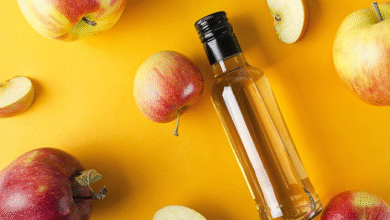
Intermittent Fasting for Beginners, Real Benefits and Common Mistakes
Intermittent fasting has become one of the most talked-about health approaches in recent years, especially among people looking for a simple way to improve their eating habits. Unlike traditional diets that focus on what to eat, intermittent fasting focuses on when to eat. This shift in mindset is what makes it attractive to many people who struggle with calorie counting or restrictive meal plans.
How Intermittent Fasting Works
Intermittent fasting involves cycling between periods of eating and fasting. Popular methods include the 16:8 method, where eating is limited to an eight-hour window, and the 24-hour fast done once or twice a week. During fasting periods, insulin levels drop, allowing the body to access stored fat more easily. This process helps improve metabolic efficiency and supports better energy regulation.
Benefits Beyond Weight Loss
While many people start intermittent fasting for weight control, the benefits go beyond fat loss. Fasting gives the digestive system regular breaks, which can reduce bloating and discomfort. Many people report better focus and mental clarity, especially after the body adapts to the fasting routine. Lower insulin levels also support better blood sugar control, which is beneficial for long-term health.

Common Mistakes Beginners Make
One of the biggest mistakes is overeating during eating windows. Fasting is not an excuse to consume unhealthy foods. Another mistake is starting too aggressively. Beginners should ease into fasting rather than jumping straight into long fasts. Poor hydration is also common; drinking enough water is essential for success.
Who Can Benefit the Most
Intermittent fasting works well for people who prefer structured routines and don’t like frequent meals. However, it’s not ideal for everyone. Those with medical conditions or a history of eating disorders should avoid it unless guided by a professional.
A Sustainable Lifestyle Choice
When done correctly, intermittent fasting can become a sustainable lifestyle rather than a short-term diet. It encourages mindful eating, reduces unnecessary snacking, and helps people reconnect with natural hunger signals.

🍵 Green Tea Benefits for Daily Health and Natural Energy
Green tea has been consumed for centuries and remains one of the healthiest beverages in the world. Its popularity is rooted in its ability to support energy, focus, and overall wellness without the negative effects associated with sugary drinks or excessive caffeine.
Why Green Tea Is So Powerful
Green tea is rich in antioxidants, especially catechins, which help protect cells from damage. These compounds play a key role in reducing inflammation and supporting immune health.
Supporting Metabolism and Fat Burning
Green tea is often linked to improved metabolism. While it’s not a miracle drink, regular consumption can support fat oxidation and help the body use energy more efficiently.
Mental Clarity and Calm Energy
Unlike coffee, green tea provides a smoother energy boost thanks to its combination of caffeine and L-theanine. This balance improves focus while reducing jitteriness and anxiety.
Heart and Brain Health
Green tea supports heart health by helping regulate cholesterol levels. It may also support brain function and reduce the risk of cognitive decline over time.
🍯 Natural Honey Benefits: Why Raw Honey Is Better Than Sugar
Honey has been used as both food and medicine since ancient times. Unlike refined sugar, raw honey contains enzymes, antioxidants, and trace minerals that support overall health.
A Natural Source of Energy
Honey provides quick energy thanks to its natural sugars, making it a great option before workouts or during busy days.
Supporting Digestion and Immunity
Raw honey can support gut health and may help soothe digestive discomfort. Its antibacterial properties also support immune function.
Better Sweetener Choice
While honey still contains calories, it’s a better alternative to processed sugar when used in moderation.
🥬 Detox Diets Explained: What Actually Works and What Doesn’t
Detox diets promise quick cleansing and weight loss, but not all detox methods are effective or safe. Understanding how detox works helps people make better choices.
How the Body Naturally Detoxes
The liver and kidneys already detox the body efficiently. Extreme detox plans are often unnecessary.
Safe Ways to Support Detox
Drinking water, eating fiber-rich foods, and reducing processed foods are the most effective ways to support natural detox processes.
The Problem with Extreme Cleanses
Juice cleanses and restrictive detox plans can cause nutrient deficiencies and energy loss.
🧘How Stress Affects Digestion and Simple Ways to Fix It
Stress doesn’t only affect the mind—it has a major impact on digestion. Many digestive issues are linked directly to chronic stress.
The Gut-Brain Connection
The digestive system responds quickly to emotional stress, often causing bloating, cramps, or irregular digestion.
Managing Stress for Better Digestion
Relaxation techniques, regular meals, and mindful eating can significantly improve gut health.
Small Changes That Make a Big Difference
Reducing caffeine, improving sleep, and practicing deep breathing help calm the digestive system.