
Poor Oral Hygiene May Triple Risk of Pancreatic Cancer: What the Research Says and How to Protect Yourself
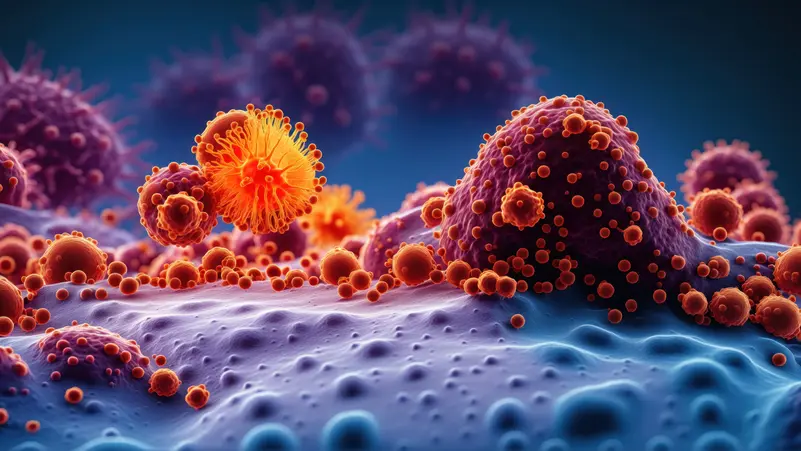
Pancreatic cancer is one of the deadliest forms of cancer, with a survival rate that remains alarmingly low. According to the American Cancer Society, fewer than 12% of patients survive five years after diagnosis. One of the major reasons for this grim statistic is that pancreatic cancer is often detected late, when treatment options are limited.
But what if a simple daily habit could help lower your risk? A groundbreaking study conducted by researchers at New York University School of Medicine has revealed that poor oral hygiene — specifically failing to brush your teeth regularly — may increase your risk of pancreatic cancer by up to three times.
This discovery not only highlights the connection between oral health and systemic diseases but also opens the door to new preventive strategies.

The Link Between Oral Health and Pancreatic Cancer
The research, published in JAMA, followed 122,000 participants over eight years. Scientists collected saliva samples to study oral bacteria and fungi, focusing on:
- Three major causes of gum disease
- 21 types of bacteria
- Four types of fungi
During the study period, 445 participants developed pancreatic cancer. Their saliva samples were compared to those of healthy participants.
The results were striking:
- The presence of harmful bacteria such as Porphyromonas gingivalis (P. gingivalis), Eubacterium nodatum (E. nodatum), and Peptostreptococcus micra (P. micra) was linked to a significantly increased risk of pancreatic cancer.
- Eight types of bacteria were associated with a lower risk, suggesting that a balanced oral microbiome may offer some protective effects.
- A common fungus, Candida, was found to be a risk factor for pancreatic cancer.
How Oral Bacteria May Trigger Cancer
The connection between oral bacteria and pancreatic cancer may sound surprising, but researchers have several theories:
- Bacteria Enter the Bloodstream: Poor oral hygiene allows bacteria to flourish in the mouth, leading to gum inflammation. These bacteria can enter the bloodstream through bleeding gums and travel to distant organs, including the pancreas.
- Chronic Inflammation: Persistent gum disease causes low-grade chronic inflammation, which has been linked to cancer development in multiple organs. Inflammation can promote DNA damage and create an environment conducive to tumor growth.
- Immune System Disruption: An unhealthy oral microbiome may weaken the immune system, reducing its ability to detect and destroy abnormal cells before they become cancerous.
Why This Discovery Matters
Pancreatic cancer is often diagnosed at a late stage because early symptoms are subtle or mistaken for digestive issues. Understanding that oral bacteria may play a role in triggering the disease gives doctors a potential new tool for early detection.
In the future, simple saliva tests could identify individuals at high risk, allowing doctors to monitor them more closely and catch cancer in its earliest, most treatable stages.
Early Warning Signs of Pancreatic Cancer
While improving oral hygiene is essential, it’s equally important to recognize early symptoms of pancreatic cancer. Consult a doctor if you experience:
- Jaundice: Yellowing of the skin and eyes
- Dark urine or pale stools
- Unexplained weight loss
- Persistent fatigue or weakness
- Upper abdominal or back pain
- Loss of appetite
- Digestive problems (diarrhea, nausea, or constipation)
Early detection saves lives. If you notice these symptoms — especially in combination — seek medical advice promptly.
Oral Hygiene: A Simple Yet Powerful Prevention Strategy
Maintaining good oral health is one of the easiest and most cost-effective steps you can take to lower your cancer risk. Here’s what experts recommend:
1. Brush Your Teeth Twice a Day
Use a fluoride toothpaste and brush for at least two minutes in the morning and before bed.
2. Floss Daily
Flossing removes food particles and bacteria that brushing alone can’t reach. This prevents gum inflammation and bleeding — a common gateway for bacteria to enter the bloodstream.
3. Visit the Dentist Regularly
Professional cleanings every 6 months help detect early gum disease and remove tartar buildup.
4. Use an Antibacterial Mouthwash
An alcohol-free mouthwash can help reduce harmful bacteria and maintain a healthy oral microbiome.
5. Stay Hydrated
Saliva naturally fights bacteria. Drinking enough water helps maintain saliva production and keeps your mouth healthy.
6. Eat a Balanced Diet
Limit sugar and processed foods, which feed harmful bacteria. Instead, eat fiber-rich vegetables, fruits, and whole grains to promote a healthy microbiome.
The Bigger Picture: Oral Health and Whole-Body Wellness
The link between poor oral hygiene and pancreatic cancer is part of a growing body of research showing that oral health impacts the entire body. Gum disease has already been connected to:
- Heart disease
- Stroke
- Diabetes complications
- Cognitive decline (including Alzheimer’s disease)
Your mouth is the gateway to your body — taking care of it is an investment in your long-term health.
Future Directions in Research
Scientists are now exploring whether targeting harmful oral bacteria could reduce cancer risk. Potential future solutions include:
- Probiotic therapies designed to balance the oral microbiome
- New mouth rinses that selectively kill harmful bacteria without disrupting beneficial ones
- Screening tools that use saliva samples to identify at-risk individuals early
These advances could transform both dental care and cancer prevention in the coming years.
Key Takeaways
- Poor oral hygiene may triple your risk of pancreatic cancer.
- Harmful bacteria like P. gingivalis are strongly associated with gum disease and cancer risk.
- Maintaining oral hygiene — brushing, flossing, and regular dental checkups — is a powerful preventive tool.
- Recognizing early warning signs and seeking medical advice promptly can improve survival chances.
Final Thoughts
This research serves as a powerful reminder that the smallest daily habits can have profound effects on our health. Something as simple as brushing and flossing your teeth may not only keep your smile bright but could also protect you from one of the most aggressive cancers.
If you haven’t been prioritizing oral hygiene, now is the perfect time to start. Your mouth — and your pancreas — will thank you.