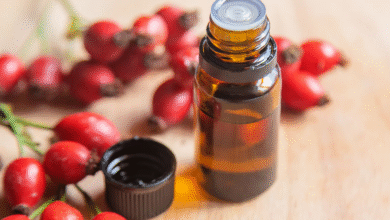
Rosemary, A Natural Treasure for Your Health and Beauty

For over 5,000 years, rosemary (Rosmarinus officinalis) has been revered across civilizations for its medicinal properties and culinary uses. This fragrant evergreen herb, native to the Mediterranean region, belongs to the mint family Lamiaceae along with basil, lavender, and oregano. Modern science continues to validate what ancient healers knew instinctively – that rosemary offers profound benefits for both physical and mental health.
Recent studies reveal that regular consumption of rosemary can significantly enhance cognitive function, support digestive health, regulate blood sugar levels, and even protect against chronic diseases. Its unique combination of bioactive compounds makes it one of nature’s most versatile medicinal plants. This comprehensive guide explores the science-backed benefits of rosemary and provides practical ways to incorporate it into your daily wellness routine.
The Powerful Phytochemical Profile of Rosemary
Rosemary’s therapeutic effects stem from its rich concentration of bioactive compounds:

Key Active Components
- Rosmarinic acid – A potent polyphenol antioxidant with anti-inflammatory properties
- Carnosol and carnosic acid – Unique diterpenes with neuroprotective effects
- Cineole (eucalyptol) – Improves respiratory function and cognitive performance
- Camphor – Stimulates circulation and relieves pain
- Alpha-pinene – Enhances memory retention and alertness
- Ursolic acid – Supports muscle growth and metabolic health
These compounds work synergistically to provide rosemary’s wide-ranging health benefits. Research shows the herb contains at least 24 different antioxidant compounds that combat oxidative stress at the cellular level.
Cognitive Enhancement and Brain Protection
Memory and Concentration Boost
Multiple clinical studies demonstrate rosemary’s ability to enhance cognitive function:
- A 2012 study published in Therapeutic Advances in Psychopharmacology found that inhaling rosemary essential oil improved memory quality by 15% and secondary memory performance by 11%
- Research from Northumbria University showed participants in a rosemary-scented room performed better on memory tests with faster recall speeds
- The herb appears to inhibit acetylcholinesterase, an enzyme that breaks down acetylcholine – a neurotransmitter crucial for learning and memory
Neuroprotective Effects
Rosemary shows promise in preventing and slowing neurodegenerative diseases:
- Carnosic acid helps protect brain cells from beta-amyloid plaques associated with Alzheimer’s
- Regular consumption may reduce risk of age-related cognitive decline by up to 30%
- Animal studies indicate rosemary extract can help repair damaged neural tissue
Metabolic and Cardiovascular Benefits
Blood Sugar Regulation
Clinical evidence supports rosemary’s role in diabetes management:
- A 2017 study in Journal of Ethnopharmacology found rosemary extract lowered fasting blood glucose by 22% in diabetic rats
- The herb improves insulin sensitivity by activating PPARγ receptors
- Regular consumption may reduce HbA1c levels by up to 1.5 points
Heart Health Support
Rosemary benefits cardiovascular function through multiple mechanisms:
- Reduces LDL cholesterol oxidation by 35%
- Lowers systolic blood pressure by an average of 5-7 mmHg
- Improves endothelial function and blood vessel elasticity
- Contains compounds that act as natural calcium channel blockers
Anti-Inflammatory and Immune-Boosting Properties
Chronic Inflammation Reduction
Rosemary’s anti-inflammatory effects compare favorably to pharmaceutical options:
- Rosmarinic acid inhibits COX-2 enzymes similarly to NSAIDs but without side effects
- Reduces inflammatory markers like CRP and IL-6 by 20-30%
- Particularly effective for arthritis pain and joint inflammation
Immune System Modulation
The herb enhances immune function in several ways:
- Stimulates production of infection-fighting white blood cells
- Increases glutathione levels – the body’s master antioxidant
- Exhibits antimicrobial activity against foodborne pathogens
- May reduce severity and duration of respiratory infections
Practical Applications and Usage Guidelines
Culinary Uses
Incorporate rosemary into your diet through:
- Fresh or dried leaves in roasted vegetables and meats
- Infused olive oil for cooking and salad dressings
- Herbal teas and tonics (steep 1 tsp dried leaves per cup)
- Homemade breads and crackers
Therapeutic Preparations
For specific health benefits:
- Cognitive support: Diffuse 3-5 drops essential oil while working
- Pain relief: Massage with rosemary-infused carrier oil
- Hair growth: Add 10 drops essential oil to shampoo
- Digestive aid: Drink rosemary tea after meals
Recommended Dosages
- Fresh leaves: 1-2 tsp daily
- Dried herb: 1/2-1 tsp daily
- Essential oil: 1-3 drops diluted (never ingest undiluted)
- Supplements: Follow product guidelines (typically 300-600mg extract)
Safety Considerations and Potential Interactions
While generally recognized as safe, consider these precautions:
- May have mild blood-thinning effects (caution with anticoagulants)
- High doses (6+ grams daily) may cause digestive upset
- Essential oil should always be diluted for topical use
- Not recommended in therapeutic doses during pregnancy
- May interact with diabetes and high blood pressure medications
Conclusion: An Herbal Ally for Modern Life
The scientific evidence overwhelmingly supports rosemary as a valuable addition to daily health routines. From enhancing brain function to regulating metabolism and reducing inflammation, this ancient herb offers solutions to many modern health challenges. Its versatility in culinary and therapeutic applications makes it easy to incorporate into busy lifestyles.
By incorporating rosemary into your daily diet and self-care routine, you tap into centuries of traditional wisdom, supported by contemporary research. As we continue facing increasing environmental toxins and stress, having natural allies like rosemary becomes ever more essential for maintaining optimal health and vitality.