6 Scientifically Proven Drinks That Help Lower Blood Sugar Naturally
While there’s no single “magic drink” that can instantly lower blood sugar levels, several beverages have been scientifically proven to help regulate glucose levels and support long-term metabolic health. Many of these drinks, including teas, milk, and natural juices, contain compounds that enhance insulin sensitivity, reduce inflammation, and stabilize energy levels throughout the day.
According to research published on VeryWell Health and other reputable sources, the following six drinks can naturally support balanced blood sugar while providing additional long-term health benefits.
1. Water — The Foundation of Blood Sugar Balance
Water is the simplest yet most essential drink for anyone looking to maintain healthy blood sugar levels. Dehydration can cause a spike in blood glucose because it triggers the release of vasopressin and cortisol—two hormones that influence how the body manages sugar and insulin.
Studies show that people who drink enough water daily are less likely to develop type 2 diabetes. In those already diagnosed, staying hydrated can help lower glucose concentrations and reduce the risk of hyperglycemia.
Moreover, drinking water can promote a feeling of fullness, reducing cravings for sugary snacks or high-carb foods that can destabilize blood sugar.
✅ Tip: Replace sugary sodas and fruit juices with plain water or infused water (with lemon, cucumber, or mint) to improve hydration and keep blood sugar steady throughout the day.
2. Cow’s Milk — A Surprising Blood Sugar Regulator
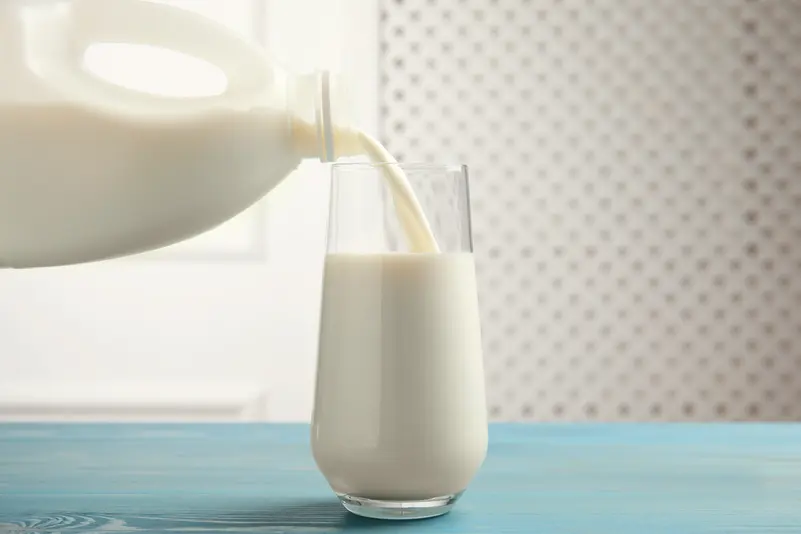
At first glance, milk might not seem like a great choice for blood sugar management since it contains natural sugars (lactose) and carbohydrates. However, scientific evidence suggests that cow’s milk can actually help lower post-meal blood glucose levels.
This is because the fat and protein in milk slow down stomach emptying, which delays the absorption of sugars into the bloodstream. A slower digestion rate means a smaller and more gradual rise in blood sugar, helping prevent dangerous spikes.
For best results, choose low-fat or unsweetened milk, and limit your intake to one or two servings per day. Non-dairy alternatives such as unsweetened almond, soy, or oat milk can also offer similar benefits if you’re lactose intolerant.
✅ Tip: Pair milk with high-fiber foods, like oatmeal or whole-grain cereal, for a blood-sugar-friendly breakfast that provides steady energy.
3. Green Tea — Rich in Antioxidants That Boost Insulin Sensitivity
Green tea is one of the healthiest beverages in the world, packed with antioxidants known as catechins. These natural compounds have been shown to improve insulin sensitivity—the body’s ability to efficiently process and store glucose.
Research indicates that people who regularly drink green tea have lower fasting blood sugar levels and reduced inflammation, both key factors in diabetes prevention. In particular, epigallocatechin gallate (EGCG), a powerful catechin in green tea, helps cells use glucose more effectively while reducing oxidative stress.
Although green tea contains a small amount of caffeine, its overall effect on metabolism is beneficial when consumed in moderation.
✅ Tip: Drink one to two cups of unsweetened green tea daily—preferably after meals—to help stabilize blood sugar and promote fat metabolism.
4. Black Tea — A Daily Cup That Lowers Diabetes Risk
Like green tea, black tea also contains potent antioxidants, including theaflavins and thearubigins, which help regulate blood sugar and reduce inflammation.
A large observational study found that people who drank at least one cup of black tea daily had up to a 14% lower risk of developing type 2 diabetes compared to non-tea drinkers. The antioxidants in black tea help protect cells from oxidative damage caused by free radicals—a factor strongly linked to insulin resistance and chronic metabolic diseases.
Moreover, black tea may improve gut microbiome balance, which is increasingly recognized as a key player in blood sugar regulation.
✅ Tip: Choose plain black tea instead of sweetened versions. You can enhance flavor with cinnamon, lemon, or a dash of ginger—spices that also support healthy glucose levels.
5. Tomato Juice — Low Glycemic, High in Antioxidants
Tomato juice is another excellent drink for blood sugar control. It has a low glycemic index (GI), meaning it doesn’t cause rapid spikes in glucose after meals.
According to one clinical study, drinking a cup of tomato juice 30 minutes before a meal improved post-meal glucose levels significantly. The secret lies in lycopene, a carotenoid antioxidant found abundantly in tomatoes. Lycopene helps reduce inflammation, improve insulin sensitivity, and protect against diabetic complications, such as cardiovascular disease.
Tomato juice is also rich in potassium and vitamin C, both of which support metabolic health and help regulate blood pressure—another common concern among people with diabetes.
✅ Tip: Choose unsalted, unsweetened tomato juice or make it fresh at home. Adding a few drops of olive oil can enhance lycopene absorption.
6. Fermented Milk (Kefir) — A Probiotic Powerhouse
Kefir, or fermented milk, is a probiotic-rich beverage that offers impressive blood sugar benefits. In a meta-analysis of several studies, people who consumed kefir regularly showed significantly lower fasting blood sugar and insulin levels compared to those who didn’t.
One particular study found that drinking 2.5 cups of kefir daily for eight weeks reduced insulin resistance in individuals with type 2 diabetes. This improvement is partly due to kefir’s high protein content, which promotes satiety, slows digestion, and prevents rapid sugar absorption.
The probiotics in kefir also help balance the gut microbiome, which plays an increasingly recognized role in maintaining metabolic health and glucose stability.
✅ Tip: Choose plain, unsweetened kefir over flavored varieties. Add fresh berries or cinnamon for a natural, diabetes-friendly flavor boost.
Other Lifestyle Tips to Keep Blood Sugar in Check
In addition to consuming these healthy drinks, maintaining stable blood sugar levels requires balanced lifestyle habits. Experts recommend the following strategies to enhance the effectiveness of dietary choices:
- Limit Refined Carbs and Sugars: Reducing processed foods and sugary snacks helps prevent glucose spikes.
- Eat More Fiber: Foods rich in fiber slow sugar absorption, keeping glucose levels steady.
- Opt for Smaller, Frequent Meals: Eating smaller portions throughout the day prevents extreme highs and lows in blood sugar.
- Prioritize Sleep: Quality sleep regulates metabolism and supports hormone balance.
- Manage Stress: Practice mindfulness or relaxation techniques to reduce cortisol, a hormone that raises blood sugar.
- Exercise Regularly: Physical activity improves insulin sensitivity and helps muscles use glucose efficiently.
- Avoid Processed Snacks: Minimize consumption of high-calorie, high-fat, or salty processed foods that disrupt metabolic health.